Buying
Buying a Home With Well and Septic in Monongalia County
Keep a Monongalia County home search moving with a calmer process for water, sewer, well records, septic records, and inspections.
Last reviewed · Next source review by
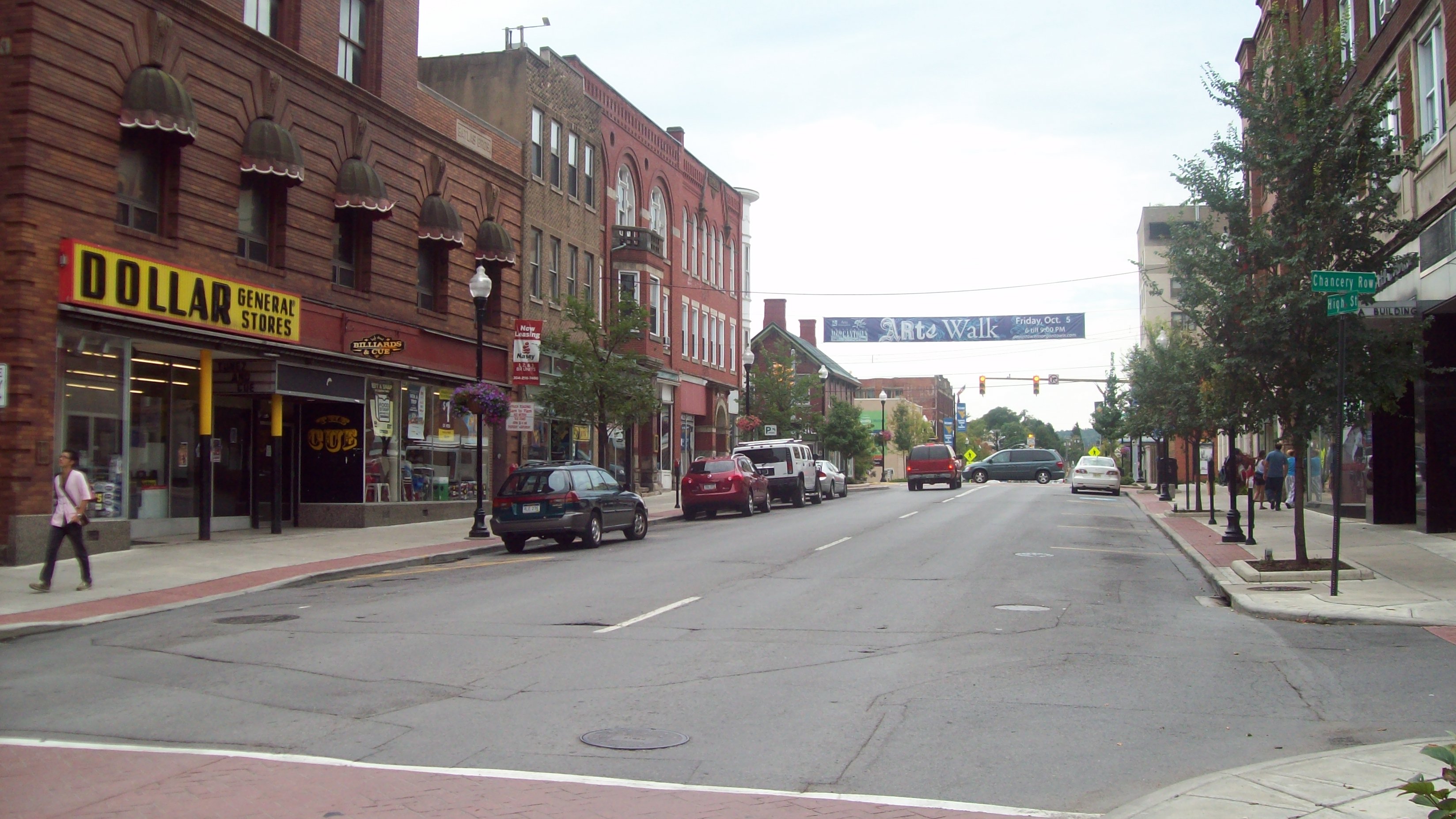
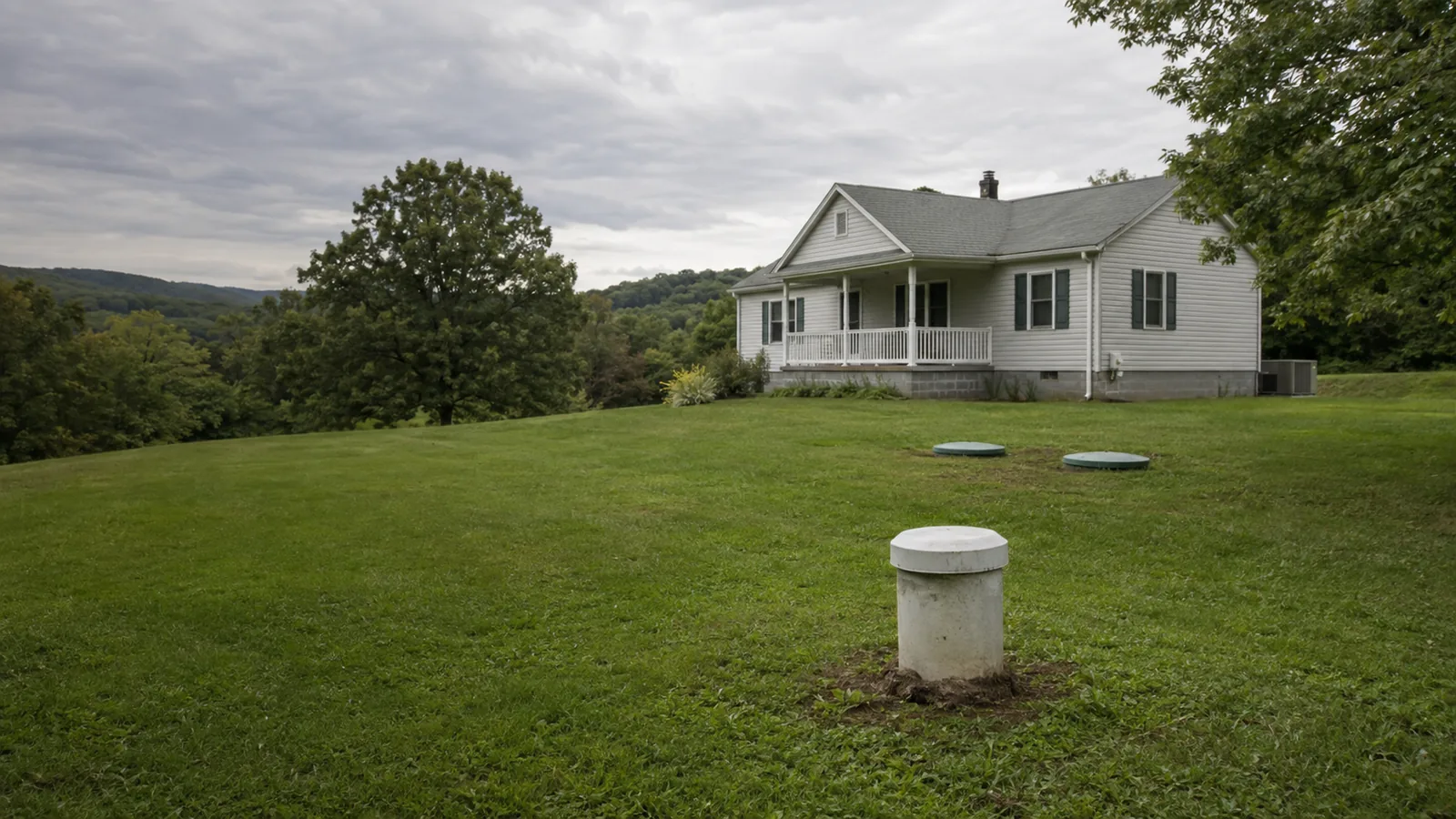
Some Monongalia County properties get their appeal from a little more space, a quieter road setting, or a location outside the denser parts of town. If a home may use a private well or septic system, keep that excitement grounded by confirming the utility setup for the exact address. Then collect the available records, arrange the right property-specific evaluations, and learn what the lender or insurer needs before contract deadlines arrive.
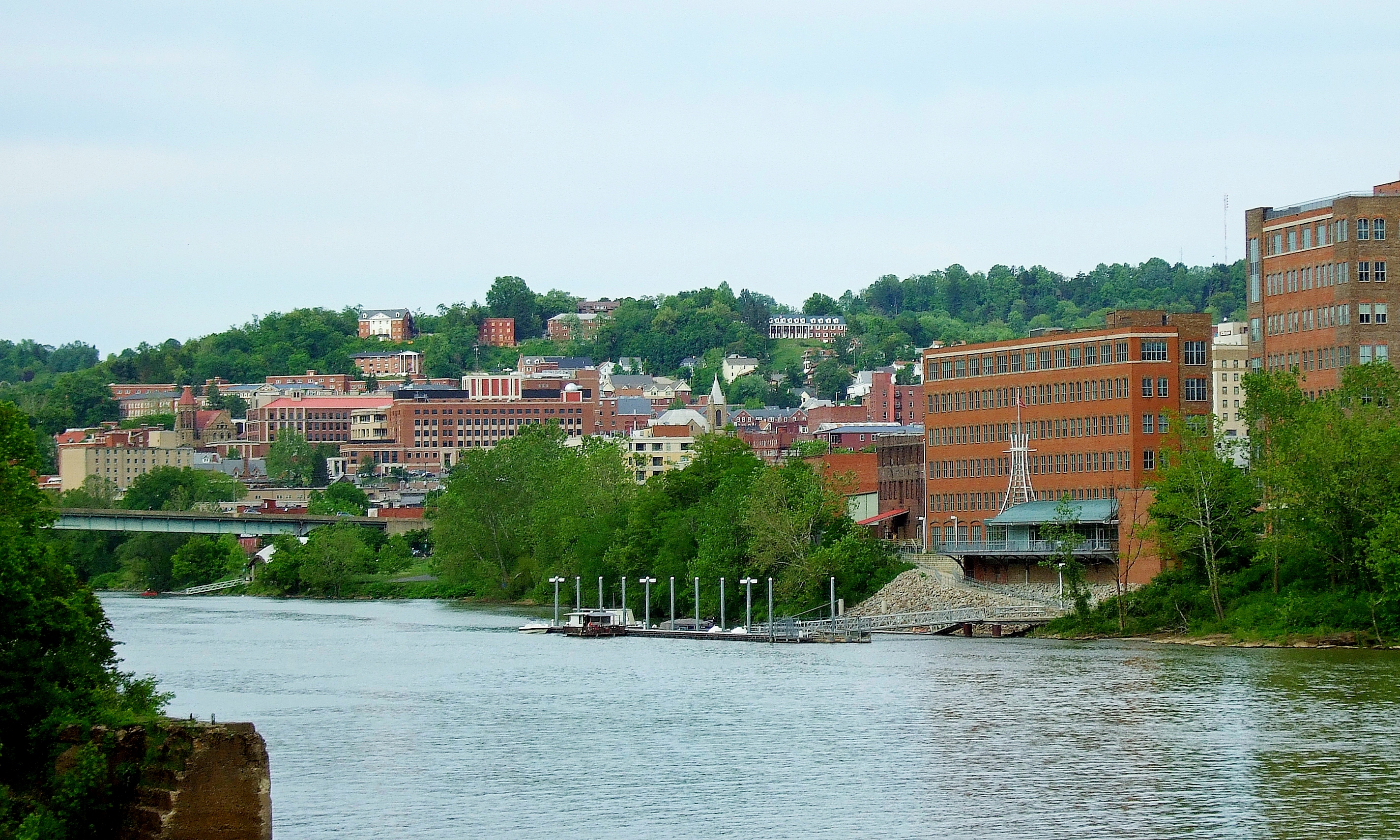
A Morgantown mailing address does not answer the water and sewer question by itself. A property might have public water and public sewer, a private well and septic system, or one public service paired with one private system. Treat each service as a separate fact to verify so the home can be evaluated on what is actually there.
Key takeaways
- Confirm water and wastewater service with the seller, utility provider, and available public records.
- Ask for well construction, water test, septic permit, service, and repair documents before relying on a verbal description.
- Use qualified well, septic, inspection, lending, and health professionals for property-specific decisions.
- Put record requests and evaluations on the contract timeline. Do not wait until the final days before closing.
This guide is general buyer education. It is not inspection, health, environmental, lending, insurance, legal, or engineering advice.
Start with the service at the exact address
Write down four answers before comparing condition or cost:
- Who supplies the drinking water?
- How does wastewater leave and get treated?
- Who maintains each system?
- Which documents support those answers?
Ask the seller for recent bills and any account or service information that can be shared without exposing private account details. Contact the named public utility directly to confirm whether it serves the address and what a new owner must do to start service. The Morgantown Utility Board, for example, publishes a residential water service process and directs new-construction questions to customer service. That page does not prove that a particular property is connected.
Match the street address to the parcel in the Monongalia County Assessor's parcel search. The parcel record can help keep requests tied to the correct land, especially when a listing, mailing address, and legal description use different wording. An assessor record is not proof of well condition, septic capacity, or utility availability.
Broad area labels can start the search, but the property file must confirm the exact water and wastewater setup.
Build a well record before judging the water
For a private well, request whatever records are available for construction, modification, pump work, abandonment, and water testing. West Virginia's individual water supply page lists separate forms for a well permit, well completion report, pump installation report, and water analysis request. The existence of those form types gives a buyer a useful document checklist. It does not mean every older property will have a complete file.
The state says a permit is required before drilling, modifying, or abandoning an individual water well, and that an individual well must be drilled by a licensed well driller. For a Monongalia County address, the Monongalia County Health Department's Environmental Health program is the local starting point for questions about available records, water sampling, current fees, and the process that applies to the property.
Ask these questions when organizing the file:
- Where is the well located on the parcel?
- Is there a completion report or other construction record?
- What equipment is present between the well and the faucets?
- When was the pump or pressure equipment last serviced?
- Which water tests have been completed, by whom, and on what date?
- Has the supply changed in taste, odor, color, clarity, pressure, or staining?
A clear-looking glass of water is not a complete test. The state provides a request process for bacteriological water analysis and links to certified drinking-water laboratories. Ask the health department, a qualified water professional, the lender, and the inspector which sampling method and tests fit the transaction. A seller's old result can provide history, but it does not describe the water on the day a new sample is taken.
Read the septic file as a system history
Start with the system type, approximate location, installation or modification records, and service history. The West Virginia on-site wastewater program distinguishes conventional and non-conventional systems, publishes state rules, lists certified installers, and provides forms for existing-system affidavits, home-loan evaluations, installation or modification permits, and sewage tank cleaning.
That list matters because "septic" is not a complete description. Ask for documents that show what was approved and what has changed. A useful file may include:
- the original permit or design information;
- a sketch showing the tank, treatment components, disposal area, and access points;
- pumping and service receipts;
- repair, replacement, or modification records;
- operating or maintenance information for specialized equipment; and
- any evaluation already completed for a loan or transfer.
Records do not replace an on-site evaluation. Ask a qualified septic professional to explain the system that is actually present, its visible condition, access for service, and any additional evaluation that is appropriate. Direct regulatory and record questions to the local health department. If the paperwork and the observed system do not agree, leave the question open until the right professional resolves it.
Review the parcel, not only the house
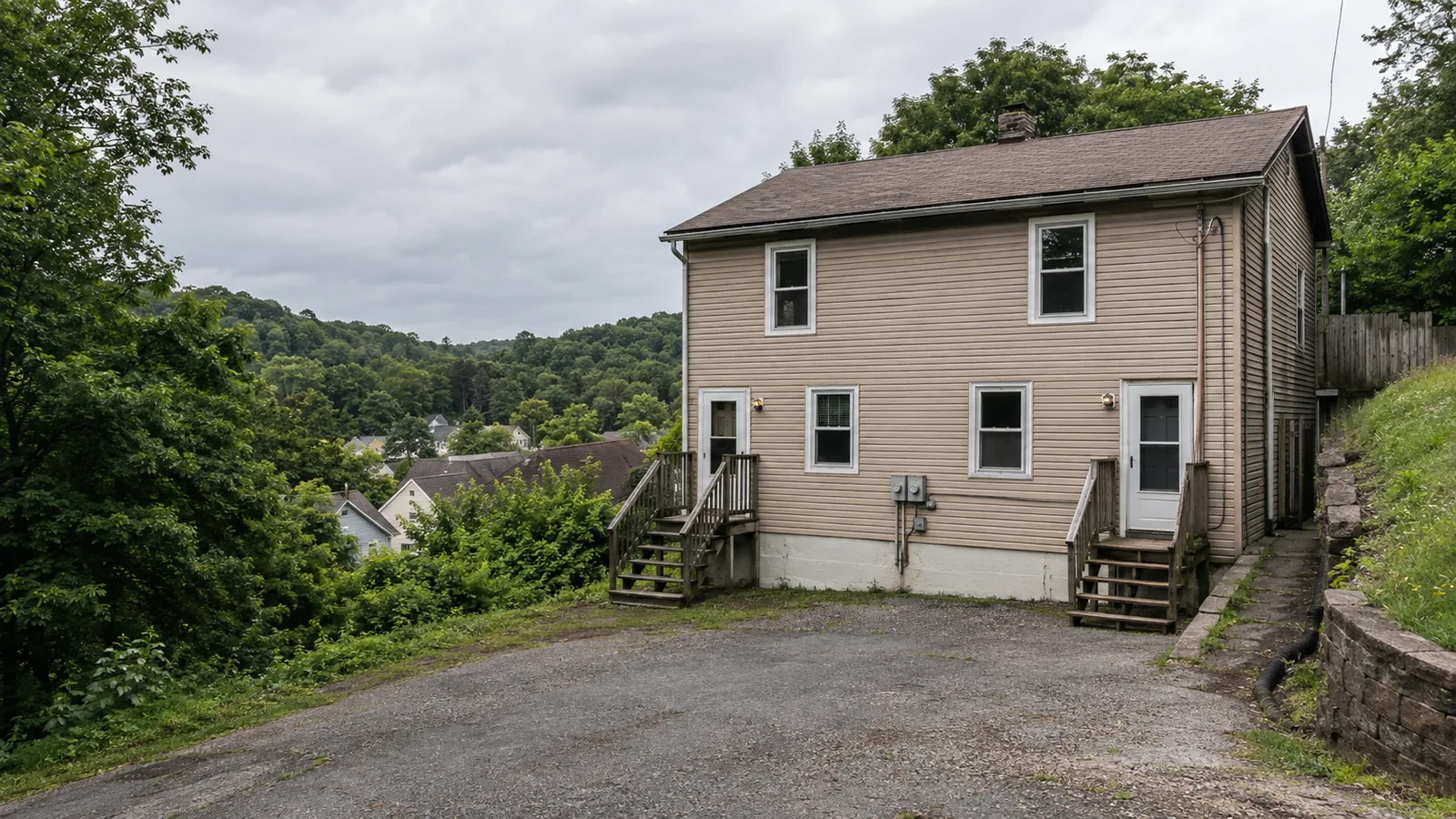
The well and wastewater system depend on land that may sit well beyond the walls of the home. During a showing or a return visit, ask where each component is believed to be and compare that answer with records. Do not drive, park, build, or plan a future addition over an assumed system location.
Notice slopes, drainage paths, retaining walls, outbuildings, driveways, and areas that appear difficult to access with service equipment. These observations are prompts for an inspector or contractor, not diagnoses. The older Morgantown home checklist explains how to keep grade, drainage, access, permits, and visible repairs in the same property note.
Future plans belong in the conversation now. If a buyer expects to add a bedroom, finish space, build an addition, install a pool, or divide land, ask the health department and other qualified authorities how that plan interacts with the existing water and wastewater setup. Do not assume the present system or parcel can support a different use.
Put the evaluations on the contract calendar
Well and septic questions can involve the seller, health department, utility, inspector, specialized contractors, laboratory, lender, insurer, and closing professionals. They may not work on the same schedule.
Before writing an offer, discuss the proposed investigation with the real estate and lending professionals involved. Identify who will order each evaluation, who may attend, how access will be provided, when results are due, and what the contract says about follow-up. Only the appropriate professionals can explain the contract and financing requirements for a specific purchase.
The site's first-time Morgantown buyer guide recommends keeping property questions and contract dates visible. For a well and septic property, add record requests, sampling, specialized evaluations, and report review to that same deadline list.
Compare two homes with the same worksheet
Use one page per property so an attractive kitchen does not crowd out an unanswered utility question. Copy these lines into each property note:
- Water source and who confirmed it
- Wastewater system and who confirmed it
- Well records received
- Water sampling completed, with date and provider
- Septic records received
- Septic evaluation completed, with date and provider
- Service access understood
- Lender and insurer requirements checked
- Open questions, the person responsible, and the deadline
An empty box is not evidence of a defect. It is a task that still needs an owner and a due date. Keep estimates separate from confirmed costs, and have qualified professionals explain repair scope or system performance.
Finish with a property-specific file
By the time the investigation period ends, the buyer should know which service reaches the address, which private systems are present, which records were found, what qualified professionals observed, and which questions remain unresolved. Save the final reports and service information with the other property documents.
If the records are thin, that does not automatically decide the purchase. It changes the questions and may change the time or expertise needed to answer them. If the property still feels promising, give the exact address and current document list to the professionals handling the transaction, then decide from the evidence tied to that property.
Sources
- Environmental HealthMonongalia County Health Department · Accessed August 24, 2026
- Individual Water SuppliesWest Virginia Office of Environmental Health Services · Accessed August 24, 2026
- On-Site Wastewater ManagementWest Virginia Office of Environmental Health Services · Accessed August 24, 2026
- Start ServiceMorgantown Utility Board · Accessed August 24, 2026
- Parcel SearchMonongalia County Assessor · Accessed August 24, 2026
A local next step
Make the next step feel clearer.
Michelle can help turn this guidance into a calm, property-specific plan for a first home, sale, or multifamily property in Morgantown.
Contact Michelle
About the author
Michelle Davidson
Michelle Davidson is a Morgantown native and REALTOR(R) who works with first-time home buyers and multifamily property investors. She has firsthand experience buying, selling, and owning local property.
Meet Michelle