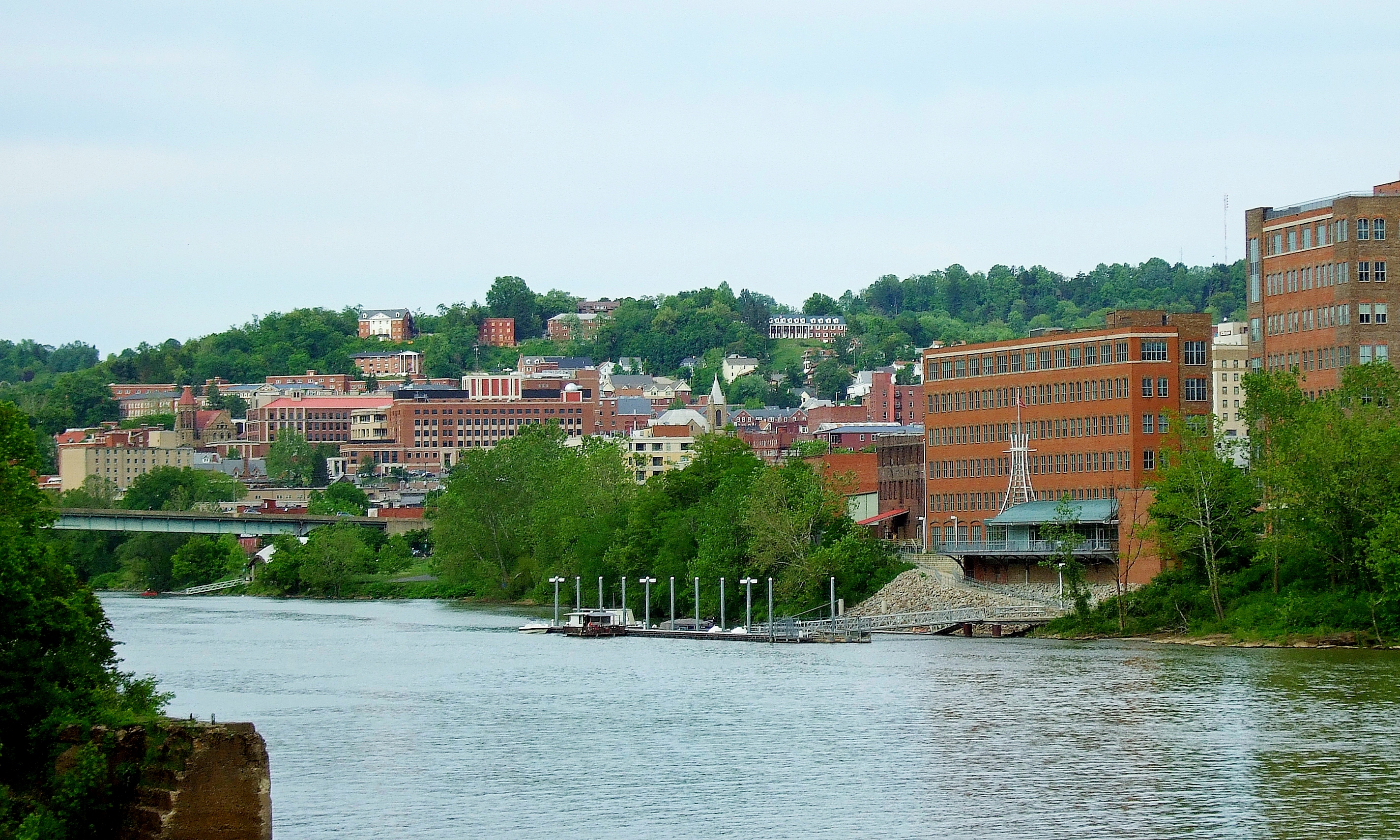
Neighborhoods
Buying in South Park's Historic District: Check the Address First
Before buying a South Park home, confirm its historic district status and ask which local reviews apply to the exterior work you have in mind.
Last reviewed · Next source review by
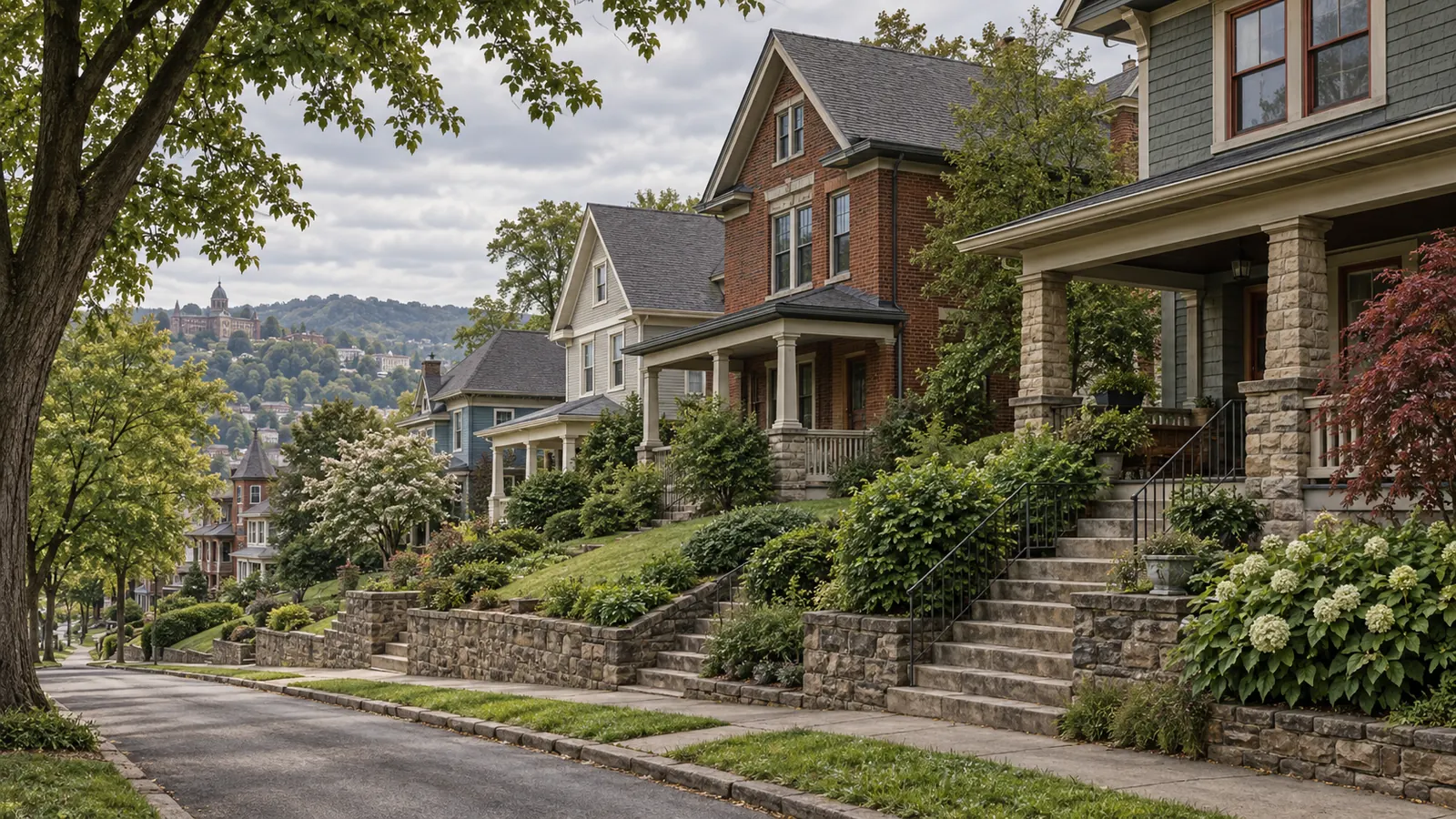
If a South Park house has the porch, proportions, or street setting you have been hoping to find, do not let a vague phrase like "historic district" settle the question of what you can do with it. First confirm whether the specific address falls inside the South Park Historic District. Then ask the City of Morgantown which approvals, if any, your actual project would need. That gives you a usable answer before you budget for new windows, a porch repair, an addition, or other exterior work.
This is a property research guide, not legal or permitting advice. Keep room in your offer and inspection plan for written answers from the responsible offices and qualified professionals.
Key takeaways
- South Park is a neighborhood name; the National Register district has a defined boundary. Check the parcel rather than guessing from the street.
- National Register listing by itself does not restrict ordinary private use, according to West Virginia's State Historic Preservation Office.
- A city permit question and a historic review question are separate. Ask about both for the proposed work, in writing.
Is the address actually in the district?
The City of Morgantown Historic Landmarks Commission lists the South Park Historic District and gives its general boundary streets: Elgin, Kingwood, Cobun, Prairie, Jefferson, Lincoln, and Grand. The state's Monongalia County National Register list also identifies the district and links to its nomination record. Those street names describe the area roughly. They are not a parcel-by-parcel decision tool.
Start with the listing's street address and parcel identification. Use the city's maps and GIS resources to check city jurisdiction, and compare the address with the district nomination map. If a lot sits near the edge, or if the map is difficult to read at parcel scale, ask the Historic Landmarks Commission or city planning staff to confirm the address. Save their answer with the property file. A neighbor's designation, an agent's description, or the age of the house is not enough to establish the status of the lot you may buy.
This address check also prevents the opposite mistake: overlooking a designation because the listing never mentions it. The South Park neighborhood page is useful for area context, but it does not replace a district boundary check for a particular house.
What does National Register listing mean for an owner?
The distinction matters. The West Virginia State Historic Preservation Office says in its National Register FAQ that listing alone does not restrict use or sale of private property and does not require an owner to follow rehabilitation guidelines for privately funded work. Different conditions can apply when state or federal funding or a historic rehabilitation tax credit is involved. Listing may provide eligibility to apply for incentives, but funding is not guaranteed.
That answer does not settle every city question. West Virginia law permits a municipality to authorize a historic landmarks commission through a local ordinance; the authority to issue a certificate of appropriateness depends on that authorization. The state law then describes how such a review can operate for visible exterior features. See Section 8-26A-4 and Section 8-26A-7. Do not assume that every South Park house needs a certificate for every repair, or that no local review applies. Ask city staff which current local rule governs the address and proposed work.
Which projects should you describe before making plans?
Give the city a concrete scope rather than asking whether "renovations" are allowed. The answer to replacing a damaged porch board may differ from the answer to changing the porch shape. The same applies to windows, siding, a roofline, an addition, demolition, a new driveway, or a retaining wall. Describe the existing condition, what you want to change, and whether the work is visible from a public place. Attach photographs and a simple sketch if staff requests them.
Ask two separate questions:
- Permit and zoning: Which building, trade, site, or planning approvals does this project require? The city directs applicants to its Morgantown Access Portal for building and planning applications.
- Historic review: Does a local historic designation or review process apply to this address and this scope? If so, what materials and timing should the applicant expect?
Do this before relying on a contractor's ballpark number. A price for construction does not establish that the design can be approved. A prior owner's project is also a poor shortcut: the scope, rules, and documentation may differ. If a proposed change is central to why you want the house, get the relevant answers early enough to inform your offer and contract deadlines.
How should you review work that is already there?
Historic status and physical condition are different questions. During a showing, notice porch supports, steps, roof edges, exterior drainage, windows, additions, and any visible change in materials or construction. None of those observations proves that work was improper. They identify records worth requesting and details for an inspector or contractor to examine.
Ask the seller, through the normal transaction process, for the documents available for substantial exterior work: permits, approved plans, invoices, warranties, and any historic review correspondence. Match each document to the actual part of the house. If records are missing, label the status unknown and ask the city or the appropriate professional what can be verified. An inspection explains condition; it does not certify permit history. Likewise, a permit record does not prove that hidden work is sound.
The older Morgantown home guide covers a broader condition review, including drainage and systems. For a South Park search, keep a separate page of questions about the exact improvements that matter to you.
What belongs in the buyer's decision file?
Before you remove a contingency or commit to a renovation budget, make one short file with the facts you can verify:
- the property address and parcel reference;
- the district boundary source and the city's answer about that parcel;
- the exterior changes you would like to make, with photographs or sketches;
- the city's written guidance on permit, zoning, and historic review steps;
- seller-provided records for earlier work;
- inspection or contractor findings about present condition; and
- the contract dates by which you need answers.
Do not treat a preliminary conversation as an approval. If the project is substantial or the local rule is unclear, ask a qualified architect, contractor, or attorney to review the specific property and documents. The point is to know what the house is today and what still needs confirmation before you decide what it could become.
The appeal of an older South Park house can remain part of the decision. Clear records and project questions help you judge the same house with a steadier view. If you are comparing a particular property, contact Michelle with the address and the exterior change you are considering. She can help organize the real estate questions and the dates for getting answers from the right offices.
Sources
- Historic Landmarks CommissionCity of Morgantown · Accessed September 21, 2026
- Monongalia County National Register NominationsWest Virginia State Historic Preservation Office · Accessed September 21, 2026
- National Register of Historic Places FAQWest Virginia State Historic Preservation Office · Accessed September 21, 2026
- Permitting, Licensing, and RegistrationCity of Morgantown · Accessed September 21, 2026
- Maps and AppsCity of Morgantown · Accessed September 21, 2026
- West Virginia Code Section 8-26A-4West Virginia Legislature · Accessed September 21, 2026
- West Virginia Code Section 8-26A-7West Virginia Legislature · Accessed September 21, 2026
A local next step
Make the next step feel clearer.
Michelle can help turn this guidance into a calm, property-specific plan for a first home, sale, or multifamily property in Morgantown.
Contact Michelle
About the author
Michelle Davidson
Michelle Davidson is a Morgantown native and REALTOR(R) who works with first-time home buyers and multifamily property investors. She has firsthand experience buying, selling, and owning local property.
Meet Michelle