Selling
Selling a Morgantown Home With a Retaining Wall
Help buyers understand a Morgantown retaining wall by organizing permits, drainage details, repair records, and professional reviews.
Last reviewed · Next source review by
A retaining wall can be part of how a Morgantown hillside property works, not an automatic reason for a buyer to worry. Before the home goes on the market, give the wall its own file. Identify each wall, find the available permit and construction records, and document how water moves around it.
Then let the appropriate professional decide whether any condition needs monitoring, repair, or further evaluation. Sellers need a record that separates what can be documented from what still needs an answer, so the conversation stays factual instead of anxious.
This article is an organization guide. It does not determine structural condition, code compliance, disclosure duties, property boundaries, or the work a particular wall requires. Those questions belong with the city or county office involved and qualified engineering, legal, inspection, and real estate professionals.
Key takeaways
- Give each retaining wall a name and location so records do not get mixed together.
- Gather permits, plans, drainage details, invoices, photos, and repair records before deciding what to do.
- Use current City of Morgantown guidance as a question list, not as a retroactive conclusion about older work.
- Describe documented facts in marketing and route unresolved condition or disclosure questions to the right professional.
Start with the exact wall and jurisdiction
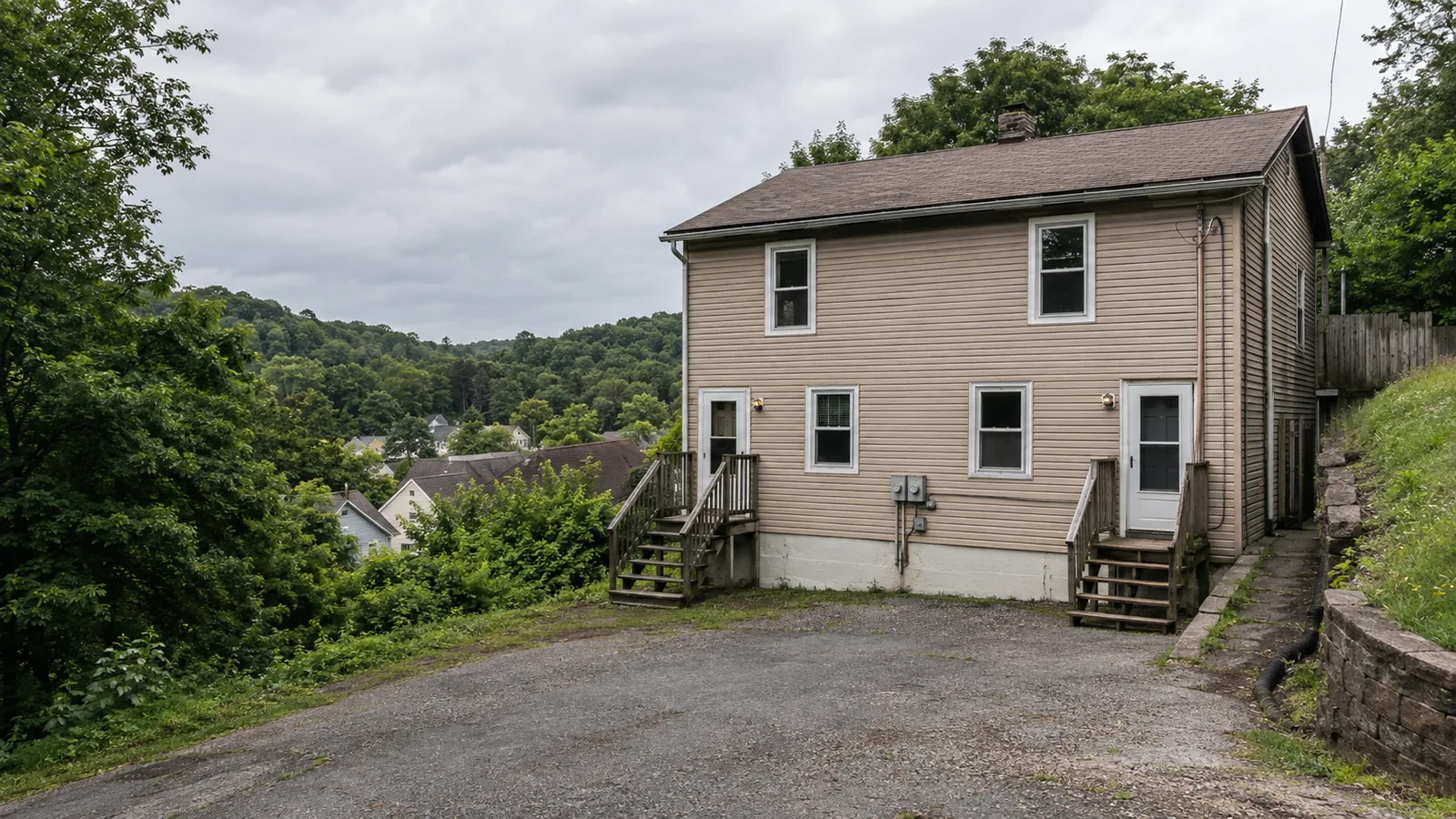
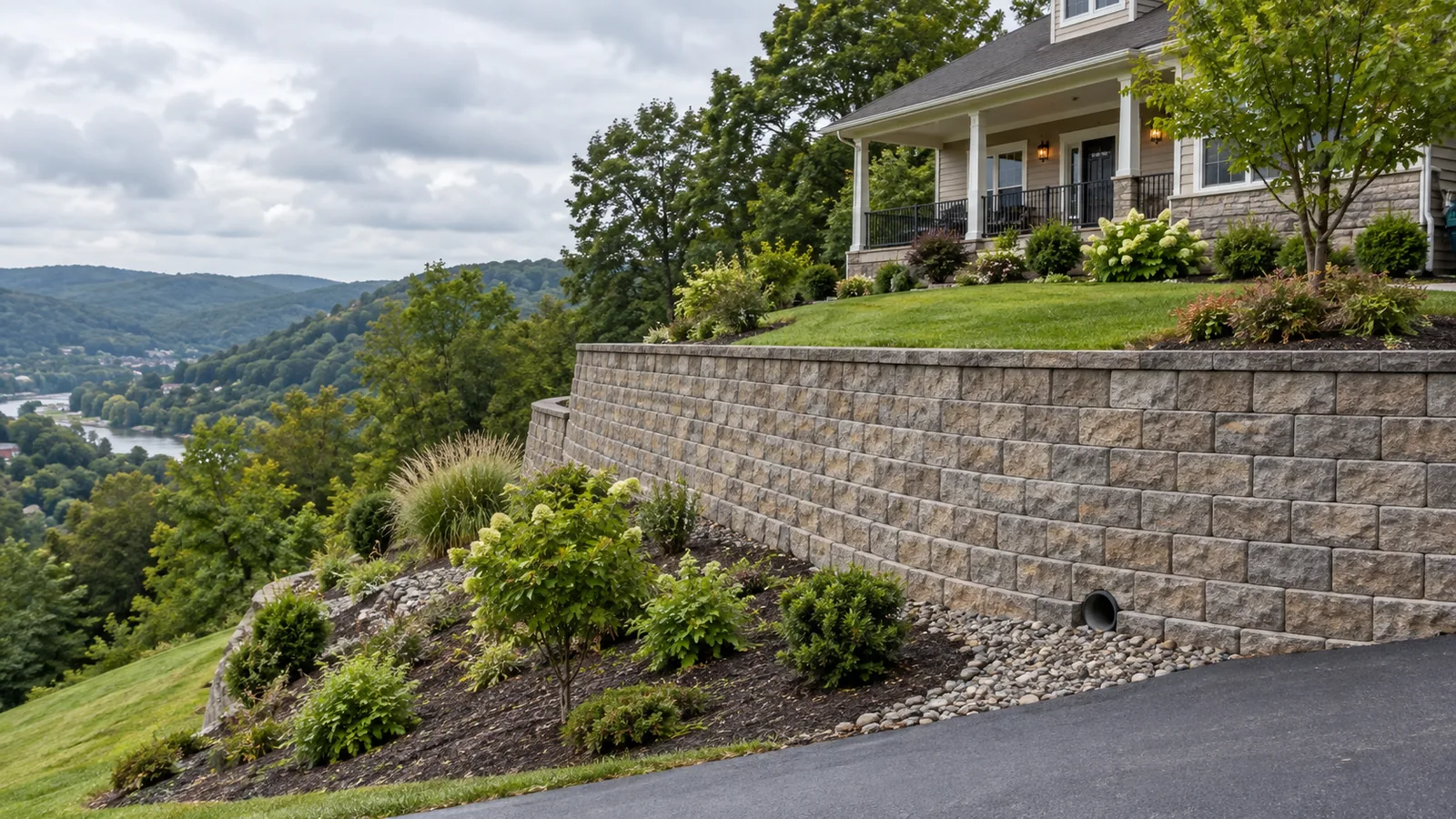
Some properties have more than one structure holding back soil. A wall beside the driveway may be unrelated to a shorter garden wall or a structure near an alley. Number them on a simple sketch and photograph the full length of each one from several positions.
For every wall, note its location in relation to the house, driveway, garage, property lines, nearby structures, visible utility features, and the slope it supports. Record the approximate height and length as observations, but do not replace a survey or professional measurement with a seller's estimate.
Next, confirm jurisdiction. The City of Morgantown tells property owners to use its zoning viewer to check whether an address is inside city limits. A Morgantown mailing address alone does not establish which office has authority. If the property is outside the city, identify the applicable county, municipal, utility, and permitting contacts before applying city guidance.
The Monongalia County parcel search can help match an address to tax district, map, parcel, deed, and available history fields. Use those identifiers to organize the file. An assessor record does not settle a boundary, easement, or construction question, so involve a surveyor, title professional, or attorney when the wall's position matters.
Build the wall record before choosing a repair
Ask for the documents that explain what was built and what changed later. The useful file may include:
- a building permit and final inspection record;
- the site or plot plan submitted with the permit;
- wall drawings, dimensions, materials, and foundation details;
- engineering plans and calculations when they exist;
- stormwater or erosion-control documents;
- contractor proposals, invoices, and warranty terms;
- photographs taken before and during construction; and
- reports, maintenance notes, and records for later repairs.
The city's current retaining wall permit guidance is a useful index for that search. It calls for a site plan showing property lines, existing buildings, the proposed wall, nearby utilities, easements, streets, and other site features. It also asks for the wall's dimensions, materials, foundation, supported slope, drainage components, discharge point, and existing and proposed grade elevations.
Current guidance says a wall over three feet, measured from the lowest adjacent finished grade to the top, must have a design prepared, stamped, and sealed by a licensed West Virginia professional engineer. It also lists construction conditions that a wall three feet or shorter must meet to be accepted without an engineered design. Those are current application rules. Ask the city and the appropriate professional how they apply to existing construction instead of assuming an older wall passed or failed based on a present-day checklist.
If no record turns up, label the item "not located" and record where the seller checked. Missing paperwork is an unanswered question. It does not prove that no permit existed, and it does not prove that the wall is structurally unsound.
Separate visible condition from a diagnosis
Create a dated observation log before cleaning, landscaping, or repair work changes the view. Photograph the top, face, ends, base, nearby pavement, and the ground above and below the wall. Include drainage outlets and places where roof or surface water approaches the structure.
Note visible changes such as cracking, bulging, rotation, settlement, separated units, washed soil, blocked outlets, or pavement movement. Keep the wording factual. "Opening near the east end measured on September 14" gives a professional something to evaluate. "Wall is failing" is a conclusion unless a qualified person has made it.
Prior invoices or a warranty may explain a repair, but they do not establish present condition. Ask whether the contractor's scope addressed the wall itself, surface drainage, subsurface drainage, soil, or only a cosmetic finish. If the wall has moved, shows distress, supports a structure or driveway, or creates another concern, ask a qualified professional what review is appropriate before marketing begins.
Trace water around the wall
Drainage belongs in the same file as the wall. The city permit guide asks applicants to show drainage components and the location where water discharges. It also says a Morgantown Utility Board storm water permit application should accompany a retaining wall application.
The MUB stormwater page explains that the utility regulates stormwater and links its permit materials and design resources. The current permit form asks for site information, surface composition, stormwater-management materials, erosion controls, and the proposed connection or discharge point for roof drains and discharge pipe.
For an existing wall, document what can be seen without opening or altering the structure. Note downspouts, swales, surface drains, pipe outlets, ditches, and areas where soil has moved. Ask for plans or repair records that describe hidden drainage. Do not promise that an outlet works because it is visible, and do not redirect water based on a general article. A contractor or engineer should evaluate the property, and the responsible office should answer permit questions.
Decide what work belongs before the listing
A seller does not need to make every old feature look new. The decision should follow the evidence. Start with the condition review, available records, sale timing, and the scope a qualified professional recommends.
If work is planned, confirm the process before construction starts. The City of Morgantown lists retaining walls under residential building and construction guidance. Its permitting portal page says all building permit applications go through the Morgantown Access Portal and separate application types may be needed for different scopes of work. A wall project that also affects a driveway, fence, plumbing, electrical work, or another feature may therefore involve more than one application.
Keep the approved plans, permit number, inspection results, final invoice, photographs, and warranty in the property file. If the work changes the wall's dimensions or drainage, update the summary rather than leaving the buyer to reconcile an old description with a new condition.
Keep marketing language inside the evidence
Marketing should describe what the seller can support. "Retaining wall repaired in 2024; invoice available" is more useful than "maintenance-free wall." If engineering plans are available, identify them accurately without turning their existence into a guarantee of future performance.
Do not call a wall permitted, inspected, rebuilt, or professionally designed unless the file supports that exact statement. Do not hide an unresolved question inside a broad phrase such as "landscaping recently updated." The listing agent, broker, and attorney can help determine what belongs in public marketing, a property disclosure, or a private transaction document.
The broader Morgantown seller documentation plan covers permits, systems, access, and private information. Keep full reports, signatures, account details, and other sensitive records in a controlled transaction file rather than attaching everything to a public listing.
Make the buyer handoff easy to review
Use a short cover sheet for each wall. State its location, approximate dimensions, known construction or repair dates, permit identifiers, drainage documents, professional reports, warranty contacts, and remaining questions. Link each summary item to the supporting file.
Before listing, confirm that:
- every wall has a distinct label and photo set;
- jurisdiction and parcel identifiers are recorded;
- permit, inspection, site-plan, and engineering records were requested;
- construction, repair, and warranty documents are organized;
- visible drainage paths and outlets are documented;
- condition questions have a named professional or next step;
- planned work has the applicable approvals before it begins;
- marketing statements match the records; and
- private information is separated from public materials.
This file helps a buyer's inspector, engineer, lender, insurer, attorney, and title professional find the facts relevant to their part of the transaction. It also helps the seller see which answers are complete before the contract calendar begins.
For a broader preparation plan, review the Morgantown home-selling guide. To make the retaining wall file feel less overwhelming, contact Michelle with the street or general area and the records already available.
Sources
- Building and ConstructionCity of Morgantown · Accessed September 14, 2026
- Retaining Wall Permit Application Guidance and ResourcesCity of Morgantown · Accessed September 14, 2026
- Permitting, Licensing, and RegistrationCity of Morgantown · Accessed September 14, 2026
- StormwaterMorgantown Utility Board · Accessed September 14, 2026
- MUB Storm Water Permit ApplicationMorgantown Utility Board · Accessed September 14, 2026
- Parcel SearchMonongalia County Assessor · Accessed September 14, 2026
A local next step
Make the next step feel clearer.
Michelle can help turn this guidance into a calm, property-specific plan for a first home, sale, or multifamily property in Morgantown.
Contact Michelle
About the author
Michelle Davidson
Michelle Davidson is a Morgantown native and REALTOR(R) who works with first-time home buyers and multifamily property investors. She has firsthand experience buying, selling, and owning local property.
Meet Michelle